ICOM IC-A25N Handheld NAV/COM Transceiver w/ Bluetooth – Open Box: Advanced Pilot Communication
ICOM IC-A25N Handheld NAV/COM Transceiver w/ Bluetooth – Open Box: Advanced Pilot Communication
Blog Article
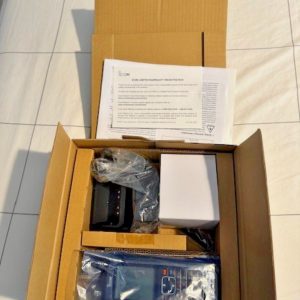
:::writingvariant="document" id="58314" ICOM IC-A25N Handheld NAV/COM Transceiver w/ Bluetooth – Open Box: Reliable NAV/COM Performance The ICOM IC-A25N Handheld NAV/COM Transceiver w/ Bluetooth – Open Box is designed for aviation users seeking a capable portable radio that can support communication and navigation-related operations. An open-box unit can provide excellent commercial value when the radio, battery, antenna, charger, documentation, and included accessories remain complete and in suitable condition. The ICOM IC-A25N Handheld NAV combines practical portability with features intended to support situational awareness and reliable aviation operations. An ICOM IC-A25N Aviation Radio can support communication between pilots, air traffic services, flight instructors, ground personnel, and other aviation users where authorized. The ICOM IC-A25N Handheld Radio can be carried conveniently in a flight bag, stored as backup cockpit equipment, used during preflight activities, or assigned to aviation personnel who require portable communication. Choosing a Handheld NAV/COM Aviation Transceiver can support organized flight preparation, backup planning, and portable cockpit communication. Whether a buyer is sourcing a Handheld Aviation Radio, Aviation NAV/COM Radio, Pilot Handheld Radio, or Aircraft Communication Radio, actual operating needs should guide the selection. The product can support pilots seeking a Portable Aviation Transceiver, Aviation Navigation Radio, ICOM Pilot Radio, or dependable Backup Aircraft Radio.
Exploring the ICOM IC-A25N NAV/COM Platform
A multifunction handheld radio can provide useful redundancy and flexibility for pilots who regularly operate in different aircraft or environments. The device may help pilots reduce equipment clutter by integrating several useful capabilities into one flight-bag-friendly radio. Users should understand that portable-radio coverage can differ from panel-mounted equipment connected to an external aircraft antenna. Pilots should test the radio during routine conditions and become familiar with its operation before expecting to use it during an urgent situation.ICOM IC-A25N Handheld NAV Applications
The portable design allows pilots to become familiar with radio functions outside the aircraft before using the device in a busy operational environment. Aircraft owners may keep the radio available when maintenance temporarily removes power from installed communication equipment. Users should understand which functions are intended for reference, communication, navigation support, training, or emergency use. Pilots should avoid burying backup equipment under baggage where it cannot be reached quickly during flight.Benefits of an ICOM IC-A25N Aviation Radio
The handheld unit can support operations during aircraft maintenance, ramp movement, hangar work, or other situations where installed radios are not easily accessible. Maintenance providers may monitor aviation activity while working outside the aircraft or coordinating ground movements. The seller should identify any missing accessories, cosmetic marks, opened packaging, previous testing, warranty status, or differences from a factory-sealed package. An independent review may provide additional confidence when the radio cannot be examined in person.ICOM IC-A25N Handheld Radio Portability
Portable operation can be valuable to users who fly several airplane types or who do not control the installed equipment available in every cockpit. Battery contacts, charging ports, headset connections, controls, and the display should remain free from dirt, loose objects, and contamination. Users can review the interface in a quiet environment rather than learning controls during engine operation or busy airport activity. Careful handling allows a portable aviation radio to remain a dependable part of the pilot’s equipment inventory.Handheld NAV/COM Aviation Transceiver Benefits
The device may be especially valuable to pilots who operate older aircraft, rented aircraft, or airplanes with limited redundancy. An open-box package may represent strong value when it includes the equipment required for immediate setup and normal use. Stored frequencies and settings should be reviewed periodically so outdated information does not create confusion. After use, the device should be cleaned gently, charged as click here appropriate, disconnected from unnecessary accessories, and returned to protected storage.Handheld Aviation Radio Applications
General aviation users may carry a portable radio during training flights, cross-country operations, maintenance, aircraft repositioning, and airport events. Pilots should avoid assuming that an unused radio stored for years will operate correctly without battery care and periodic testing. The operating manual and applicable aviation procedures should guide setup and use. The device should not be used for casual or unnecessary transmissions that could interfere with operational communications.Using an Aviation NAV/COM Radio
An Aviation NAV/COM Radio gives pilots portable access to communication and navigation-support features that may complement installed cockpit avionics. A portable radio should support cockpit management rather than add unnecessary workload. Pilots should maintain current charts, navigation planning, weather awareness, and suitable avionics for the flight being conducted. A structured preflight routine helps the Aviation NAV/COM Radio deliver reliable and practical support.Pilot Handheld Radio for Flight Operations
Flight instructors may value a handheld unit for monitoring, demonstration, backup, and coordination during ground or flight-training activities. The device should remain accessible to the pilot without becoming a loose object or interfering with cockpit controls. A pilot should practice basic operations such as powering on, selecting a frequency, adjusting audio, transmitting appropriately, using memory functions, and checking battery status. A battery that appears charged after long storage may not provide the operating duration expected under real conditions.Maintaining an Aircraft Communication Radio
A handheld radio may provide additional flexibility during aircraft demonstrations, test preparation, delivery operations, or extended maintenance events. Headset and Bluetooth accessories should be tested for microphone quality and audio clarity before operational use. Users should establish realistic expectations by testing the radio in normal conditions rather than assuming identical range to panel equipment. Maintaining physical and electronic condition supports dependable Aircraft Communication Radio performance.Portable Aviation Transceiver Advantages
A compact transceiver may remain available during electrical shutdowns, maintenance events, panel upgrades, or aircraft storage. Charging equipment should be identified clearly and kept with the correct radio and battery system. Bluetooth capability can improve convenience by supporting compatible wireless audio arrangements and reducing the number of cables around the pilot or operating area. Careful setup allows portable wireless communication features to improve convenience without creating unnecessary cockpit distraction.Benefits of an Aviation Communication Device
A professional handheld radio may serve private pilots differently from flight schools, maintenance shops, airport staff, or commercial operators. Transparent condition information allows the purchaser to judge whether the price reflects the package accurately. Professional users may maintain records of radio assignment, charging, inspections, damage, accessory inventory, and battery replacement. Regular updates to operating procedures may be required when accessories, paired devices, aircraft assignments, or personnel change.Handheld Aircraft Radio for Cockpit and Ground Use
The radio’s portable form allows pilots to monitor or communicate without remaining seated at the aircraft instrument panel. Portable operation can improve flexibility at remote airfields or maintenance locations with limited infrastructure. The unit must remain accessible without forcing the pilot to look away from primary responsibilities for an extended period. Ramp and maintenance environments can expose portable electronics to contaminants that are less common in normal indoor storage.Aviation Navigation Radio Applications
The aviation-focused interface is intended to support pilots who need quick access to practical features in a compact format. The radio should be configured on the ground whenever possible instead of during high-workload cockpit operations. A handheld radio should not be treated as a substitute for equipment or procedures required by regulation, aircraft approval, or operating conditions. The manual and quick-reference information should be available until the pilot can use important functions confidently.Choosing an ICOM Pilot Radio
The IC-A25N provides a combination of communication, navigation support, Bluetooth connectivity, and portable power suitable for varied aviation roles. An open-box unit may have excellent value, but the buyer should verify the package rather than relying solely on the model name. The correct purchasing decision reflects mission, budget, equipment condition, support needs, and actual operational preferences. Responsible ownership allows an ICOM Pilot Radio to remain a useful communication and navigation resource for many aviation activities.Maintaining an Emergency Aviation Radio
A handheld radio may support a pilot’s response to an abnormal situation by providing portable communication capability independent of the main panel system. The pilot should understand how portable-radio range may differ from normal aircraft communication equipment. Pilots should evaluate whether the radio can be heard clearly in the noise environment of their aircraft. The radio should be tested periodically without making unauthorized transmissions or interfering with operational frequencies.Maintaining a Backup Aircraft Radio
A Backup Aircraft Radio provides communication redundancy for pilots who want an alternative to the primary panel-mounted transceiver. A backup device should not be neglected simply because it is not used during every flight. The device should be placed where it can be retrieved quickly without interfering with flight controls or becoming a loose object. Backup planning should also consider how the aircraft will be flown, navigated, and managed while the pilot is using the portable radio.Inspecting an Open-Box ICOM IC-A25N
An open-box ICOM IC-A25N should be inspected for cosmetic condition, display quality, button response, antenna security, battery fit, connector condition, and evidence of previous use. The package should be compared with the seller’s inventory to confirm the radio, battery, antenna, charger, adapters, clip, documentation, packaging, and other included accessories. The Bluetooth system should be checked for pairing, audio routing, connection stability, and compatibility with supported equipment. Remote transactions should use secure payment, documented terms, careful packaging, shipment tracking, and clear inspection or return conditions.Protecting ICOM IC-A25N Reliability
Long-term reliability depends on battery care, protected storage, correct charging, careful antenna handling, clean connectors, updated familiarity, and prompt attention to operating concerns. Any change in audio, charging, battery life, control response, display quality, Bluetooth operation, or power stability should be investigated.- Review the complete package and remove the radio from backup service if physical or electronic condition is uncertain.
- Review essential controls on the ground so the radio can be operated confidently without unnecessary cockpit distraction.
- Store the radio, battery, charger, antenna, adapters, and documentation in a dry, organized, protected location after use.